 |
|
|

| Home ->TCR Expression Plasmid Vectors & Custom TCR Vector Construction Services | ||
| Quick Inquiry |
T Cell Receptor (TCR) Expression Plasmid Vectors & Construction Services The T Cell Receptor (TCR) is a critical protein complex found on the surface of T cells, a type of white blood cell. It is the key molecule that allows T cells to recognize foreign or abnormal antigens presented by other cells, initiating a targeted immune response. At RGBiotech, we provide the essential genetic tools to empower your T cell immunology and therapeutic development research. Our catalog features a growing list of ready-to-use TCR plasmids. The expressed TCRs are designed to recognize a wide spectrum of disease-associated antigens, including those from cancer/tumors, pathogens, viruses etc. We also offer a comprehensive service to clone your TCR of interest (α and β chains) into our optimized expression vectors. We handle the entire process, from sequence optimization to plasmid amplification and quality control. In addition, in order to create a complete research system, we also provide matched pairs of Antigen Expression Plasmid Vectors (Plasmids expressing your target antigen) and HLA Expression Plasmid Vectors (Plasmids for various Human Leukocyte Antigen (HLA) alleles, essential for presenting your antigen of interest in cellular assays). Leverage our expertise and high-quality T Cell Receptor (TCR) tools to drive your discoveries forward and advanced immunotherapy research. For pricing, catalog availability, or to initiate a custom TCR cloning project, please contact us at admin@rgbiotech.com. Tumor/Cancer-Related T Cell Receptor (TCR) Expression Plasmid Vectors
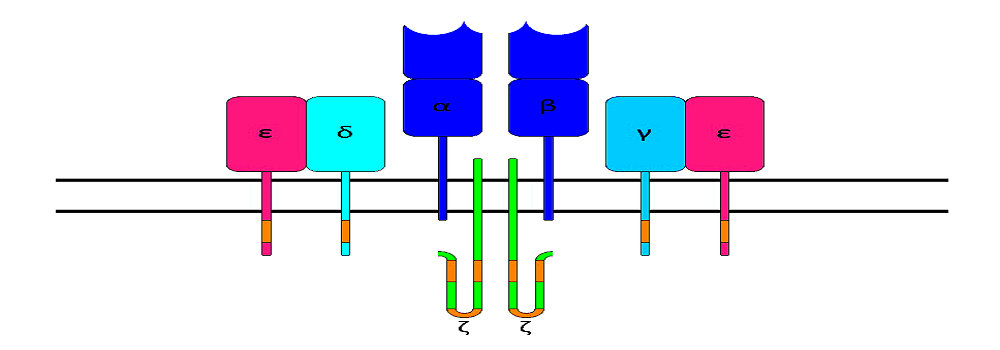
Highlights 1) Stringent QC & Validation: Each batch is sequence-verified to ensure performance, saving you time and resources.2) Optimized Codon Usage: Enhanced TCR expression in human T cells, leading to stronger surface expression and improved functional avidity. 3) Multiple Options: Various types of vector backbones with optional reporter genes (e.g., GFP) or affinity tags for easy tracking and purification. 4) Flexible Compatibility: Compatible with AAV, lentiviral, and retroviral delivery systems. 5) Expert Technical Support: Our team is comprised of immunology and molecular biology experts ready to support your research journey. Applications 1) Antigen Discovery & TCR Validation: Validation of novel tumor or viral antigens using TCR reporter systems2) TCR-Engineered T Cell Therapy Development: Rapid generation of engineered T cells for preclinical efficacy studies 3) Mechanism Research: Investigation of TCR-p/HLA binding kinetics and T Cell activation & signaling 4) Candidate Drug Screening: High-throughput screening of TCR-antigen interactions modulating TCR-mediated immune responses 5) Antigen-Specific T Cell Expansion 6) Vaccine Research and Immune Monitoring Frequently Asked Questions (FAQ) Q1: What is the difference between your TCR plasmids and CAR plasmids? Q2: What cell lines are ideal for transient TCR expression? Q3: Do you provide the TCR sequences for your plasmid vectors? Q4: Can you clone a TCR sequence from a published paper or a proprietary source? Q5: What controls do you recommend for TCR functional assays? Q6: Can your plasmids be used for in vivo TCR-T cell engineering? Q7: Do you provide HLA-matched antigen-TCR plasmid pairs for functional assays? Q8: How long does custom TCR construction take? Read More The T Cell Receptor (TCR) is a lineage-defining membrane-anchored immune receptor that plays a central role in the ligand-dependent activation of T lymphocytes. A typical TCR is a heterodimer composed of an alpha (α) and a beta (β) chain, linked by disulfide bonds. Each chain contains a variable region, which is responsible for antigen recognition, and a constant region. A smaller population of T cells utilizes gamma (γ) and delta (δ) chains. Approximately 95% of T cells express the αβ TCR heterodimer, while the remaining 5% express the γδ variant, with this ratio subject to changes during development or disease. A functional TCR is an octameric complex composed of six protein subunits, assembled in a 1:1:1:1 ratio as TCRαβ:CD3δε:CD3γε:CD3ζ. TCRs do not recognize antigens directly. Instead, they recognize short peptide fragments (antigens) that are "presented" on the surface of other cells by molecules called the Major Histocompatibility Complex (MHC or HLA in humans). The peptide-HLA (p/HLA) complexes are derived from the entire cellular proteome-including 88% of intracellular proteins such as cytoplasmic, nuclear, and mitochondrial antigens. This TCR-peptide-MHC interaction is the fundamental event that triggers T cell activation, leading to the destruction of infected or cancerous cells and making TCRs a cornerstone of modern cancer and infectious disease treatments. TCRs exhibit exceptional sensitivity and specificity, enabling precise immune responses: 1) High Sensitivity: As few as 1-3 p/HLA complexes on target cells can trigger full T cell activation, whereas therapeutic antibodies require thousands of target molecules. 2) Superior Specificity: TCRs distinguish peptides differing by a single amino acid and even isomers of the same amino acid. 3) Immune Activation: Binding to specific p/HLA complexes initiates T cell proliferation, differentiation into effector cells, and secretion of cytokines like TNF-α and IFN-γ to eliminate abnormal cells. Dysfunctional TCR signaling is at the heart of many diseases. An inability to recognize cancer cells can lead to tumor growth, while misguided recognition of self-antigens can cause autoimmune diseases like multiple sclerosis and type 1 diabetes. Conversely, a robust TCR response is essential for fighting viral and bacterial infections. TCR-based therapy is a groundbreaking pillar of adoptive cell transfer (ACT). Unlike CAR-T cells that target surface proteins, TCR-engineered T cells can target a much broader range of both intracellular and extracellular antigens. Their unique ability to recognize virus-associated antigens and tumor-specific mutations makes them powerful tools in combating refractory diseases such as solid tumors and intracellular pathogens. In 2022, the FDA approved Tebentafusp, the first-ever TCR therapeutic, for the treatment of HLA-A*02:01-positive uveal melanoma. This bispecific protein redirects T cells to target gp100, a melanoma-associated antigen. Dozens of TCR-based therapies are in clinical trials targeting a wide array of solid tumors, including synovial sarcoma, melanoma, and HPV-associated cancers, as well as viral infections like CMV and HBV. Research is increasingly focused on discovering neoantigen-specific TCRs-targeting mutations unique to a patient's tumor-for highly personalized cancer treatments. |
|
|
Products & Services Resources | ||
|
Home Products & Services Support About Us Contact Us |
Promotions Flyers Brochures Publications News & Events |
Terms & Conditions Privacy Disclaimers |
Contact Us EMAIL: admin@rgbiotech.com |
||
| © RGBiotech All Rights Reserved. | |||||